
In-office EMG & nerve conduction studies
Electrodiagnostic testing performed and interpreted by a double board-certified neurologist with fellowship training in neuromuscular medicine and EMG.
Our office uses the Cadwell Sierra Summit — a state-of-the-art electrodiagnostic system — with full capabilities including single fiber EMG.
Located in Midtown East, Manhattan, near Grand Central Terminal.
Why your doctor (or you) might be considering this test
If you've been dealing with hand numbness, foot tingling, unexplained weakness, or muscle twitching that won't go away, an EMG and nerve conduction study can give you concrete answers. These tests show whether your symptoms come from a nerve problem, a muscle problem, or something else — information that imaging and blood tests alone cannot provide.
Common reasons for EMG/NCS
- Numbness, tingling, or burning in the hands or feet
- Weakness in the arms or legs
- Suspected carpal tunnel syndrome or ulnar neuropathy
- Neck or back pain with radiating symptoms (radiculopathy)
- Muscle twitching, cramps, or wasting
- Evaluation of peripheral neuropathy
- Suspected myopathy or muscle disease
- Ruling out ALS or motor neuron disease
- Suspected myasthenia gravis or neuromuscular junction disorders
- Pre-surgical planning for nerve or spine procedures
Advanced capabilities
Nerve Conduction Studies (NCS)
Measures the speed and strength of electrical signals traveling through your nerves.
Nerve Conduction Studies (NCS)
Measures the speed and strength of electrical signals traveling through your nerves.
NCS measures how fast and how strongly electrical signals travel through your nerves. Small electrical pulses are applied to the skin over a nerve, and the response is recorded. This helps identify nerve damage, compression, or demyelination — information that cannot be obtained through imaging or blood tests alone.
When it's used: evaluation of suspected carpal tunnel syndrome, ulnar neuropathy, peripheral neuropathy, radiculopathy, and other conditions affecting nerve function.
Electromyography (EMG)
Evaluates the electrical activity of muscles to detect nerve or muscle disorders.
Electromyography (EMG)
Evaluates the electrical activity of muscles to detect nerve or muscle disorders.
A very thin needle electrode is inserted into specific muscles to record their electrical activity at rest and during contraction. This helps distinguish between nerve problems and primary muscle disorders, and can detect signs of denervation, reinnervation, or active muscle disease.
When it's used: evaluation of suspected myopathy, motor neuron disease, radiculopathy, and other conditions where the pattern of muscle involvement guides diagnosis.
Single Fiber EMG (SFEMG)
The most sensitive test for neuromuscular junction disorders such as myasthenia gravis.
Single Fiber EMG (SFEMG)
The most sensitive test for neuromuscular junction disorders such as myasthenia gravis.
Measures the variability in transmission time between a nerve and individual muscle fibers (jitter), which increases when the neuromuscular junction is impaired.
When it's used: evaluation of suspected myasthenia gravis, Lambert-Eaton myasthenic syndrome, or other neuromuscular junction disorders — especially when standard tests (antibodies, RNS) are inconclusive.
Repetitive Nerve Stimulation (RNS)
Assesses the neuromuscular junction by delivering repeated electrical stimuli to a nerve.
Repetitive Nerve Stimulation (RNS)
Assesses the neuromuscular junction by delivering repeated electrical stimuli to a nerve.
A progressive decline in muscle response (decrement) during repeated stimulation is a hallmark of neuromuscular junction disorders.
When it's used: evaluation of myasthenia gravis, Lambert-Eaton myasthenic syndrome, and other conditions affecting the neuromuscular junction.
Evoked Potentials (EP)
Records the nervous system's electrical response to sensory stimulation.
Evoked Potentials (EP)
Records the nervous system's electrical response to sensory stimulation.
Measures the electrical activity of the brain or spinal cord in response to visual, auditory, or somatosensory stimulation, assessing the integrity of sensory pathways.
When it's used: evaluation of demyelinating conditions, spinal cord disorders, and assessment of sensory pathway function.
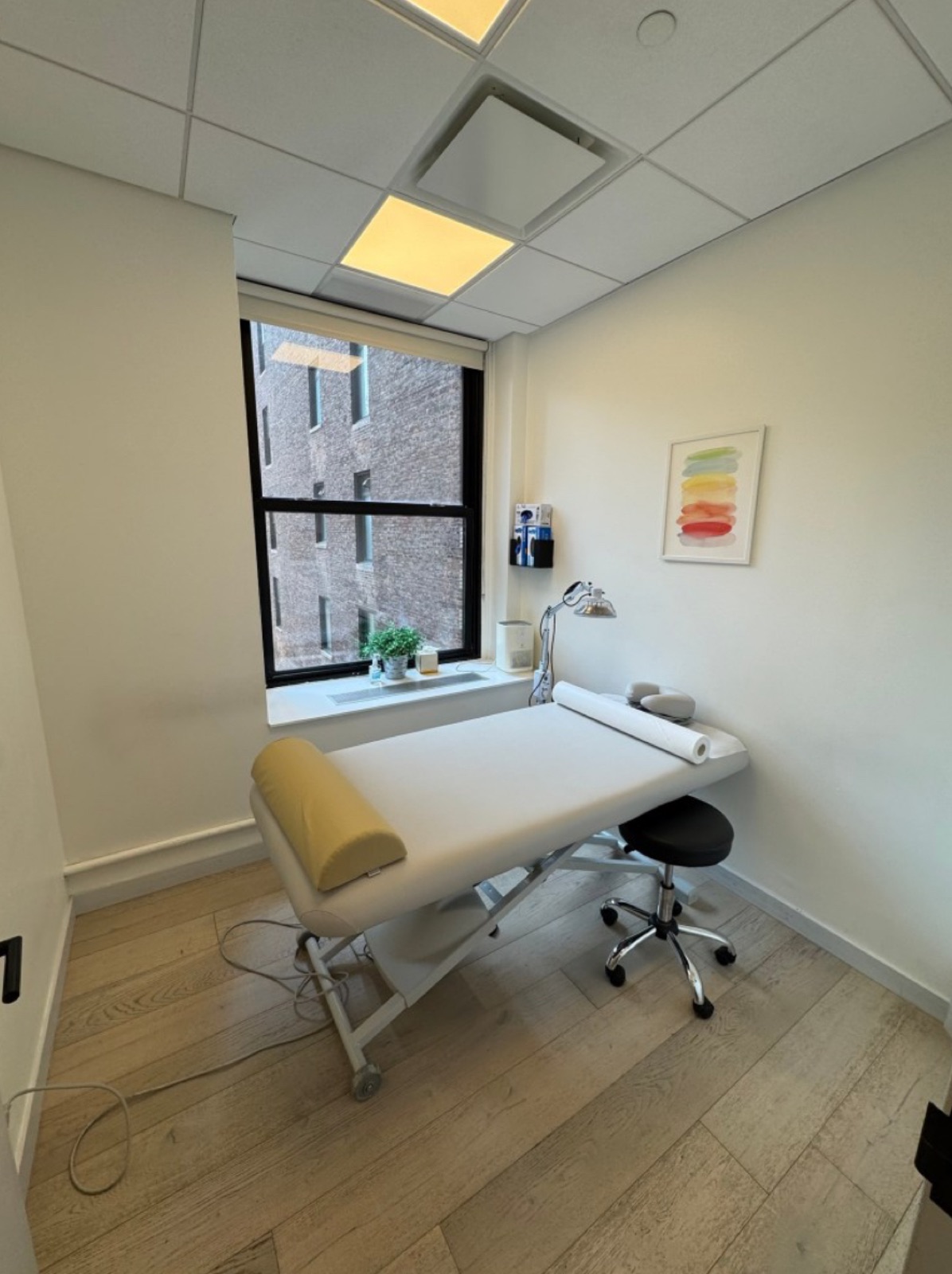
Why choose our practice for EMG
The quality of an EMG depends as much on the physician performing and interpreting the study as it does on the equipment. At our practice, you get both.
Physician-performed
Dr. Warner personally performs and interprets every study — not a technician. This ensures real-time clinical decision-making and the highest diagnostic accuracy.
Fellowship-trained expertise
Fellowship-trained in Neuromuscular Medicine at Hospital for Special Surgery / NewYork-Presbyterian / Weill Cornell Medicine — among the top programs in the country.
State-of-the-art equipment
The Cadwell Sierra Summit is a top-tier electrodiagnostic platform used in leading academic centers, with advanced signal processing and full single fiber EMG capability.
What to expect
Everything you need to know to prepare for your EMG and nerve conduction study — from preparation to results.
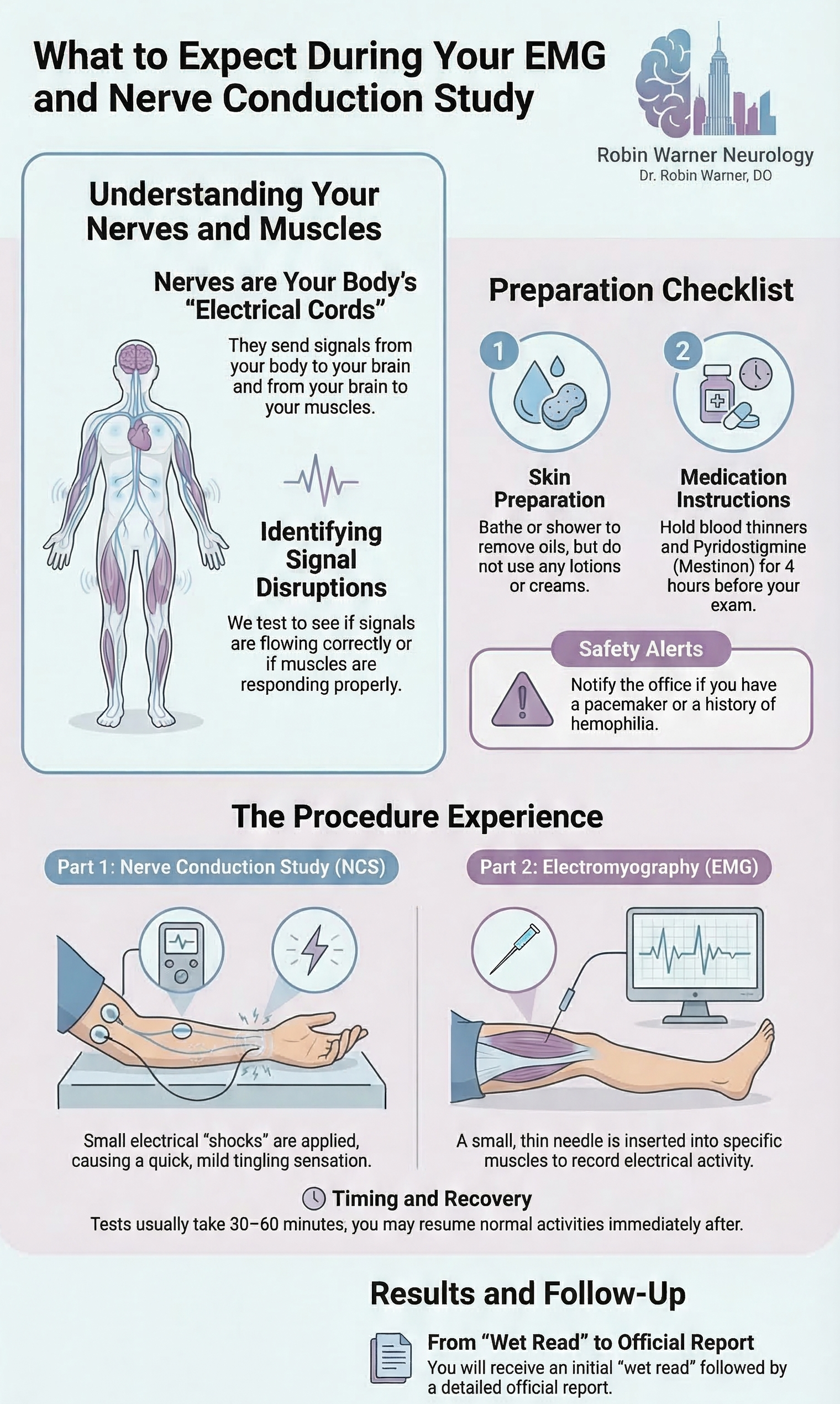
Preparation summary
Skin preparation
Bathe or shower to remove oils, but do not use any lotions or creams on the day of your test.
Medication instructions
Hold blood thinners and Pyridostigmine (Mestinon) for 4 hours before your exam. Take all other medications as usual.
Safety alerts
Notify the office in advance if you have a pacemaker or a history of hemophilia.
Tests typically take 30–60 minutes. You will receive an initial "wet read" of results immediately, followed by a detailed official report sent to your referring physician. You may resume normal activities right away.
Conditions diagnosed with EMG/NCS
Nerve disorders
- Peripheral neuropathy (diabetic, toxic, inflammatory)
- Carpal tunnel syndrome
- Ulnar neuropathy (cubital tunnel)
- Radiculopathy (pinched nerve)
- Plexopathy
- Guillain-Barré syndrome
- CIDP
- Charcot-Marie-Tooth disease
Muscle disorders
- Inflammatory myopathies (dermatomyositis, polymyositis, inclusion body myositis)
- Muscular dystrophies
- Metabolic myopathies
- Toxic myopathies
Motor neuron & NMJ disorders
- ALS (amyotrophic lateral sclerosis)
- Myasthenia gravis
- Lambert-Eaton myasthenic syndrome
- Motor neuron disease
- Cramp-fasciculation syndrome
Schedule your EMG
Whether you've been referred by another physician or are seeking evaluation on your own, we're here to help.
Expert electrodiagnostic testing in Midtown Manhattan
Performed and interpreted by a fellowship-trained neuromuscular specialist using state-of-the-art equipment.
Learn more about our fees and pricing or contact us with questions.